
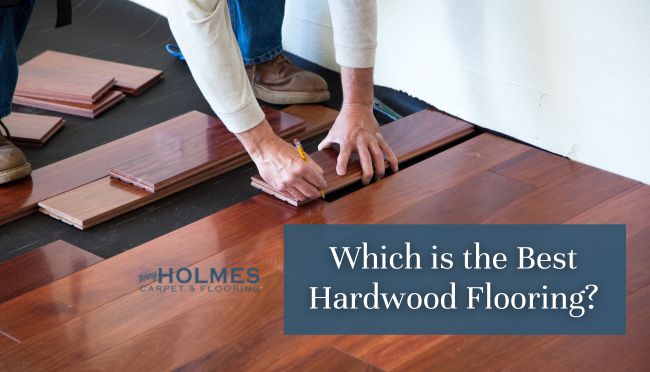
Choosing a new floor is a big decision that can transform the look and feel of your home. Hardwood flooring, in particular, adds a timeless elegance and significant value to any property. But with so many options available, picking the right one can feel overwhelming. As flooring experts with decades of experience, we’re here to help you navigate the choices.
This guide will walk you through the most popular types of hardwood flooring, from classic oak to rich cherry. We will explore the unique characteristics of each, helping you find the perfect match for your home, lifestyle, and budget. Let’s find the floor that’s right for you.
Understanding Hardwood Flooring Options
 When you start your search, you’ll encounter a variety of wood species, each with its own distinct look and properties. Understanding these differences is the first step toward making a confident choice. Whether you are interested in solid hardwood or the stability of engineered hardwood, let’s look at three of the most popular options: oak, maple, and cherry.
Oak: The All-American Classic
Oak is the most common type of hardwood flooring in the United States, and for good reason. It’s known for its strength, durability, and classic grain pattern that complements nearly any interior design style. Oak flooring primarily comes in two varieties: Red Oak and White Oak.
- Red Oak: Features a warm, reddish or pinkish hue with a swirling, prominent grain. It’s a slightly more porous wood, which can make it more susceptible to staining if spills aren’t cleaned up promptly.
- White Oak: Has a cooler, grayish-brown tone and a straighter, more subtle grain pattern. It is harder and more resistant to water than Red Oak, making it a great choice for kitchens and high-traffic areas.
Pros:
- Highly durable and resistant to dents and scratches.
- Widely available and generally affordable.
- Takes stains and finishes well, offering design flexibility.
Cons:
- The prominent grain might not appeal to those seeking a more uniform look.
- Can be prone to expansion and contraction with humidity changes.
 Maple: Sleek and Modern
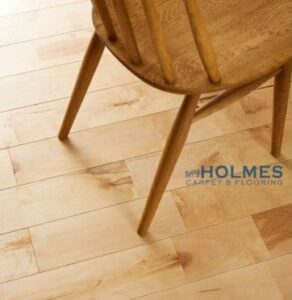
If you’re looking for a floor with a clean, contemporary feel, maple is an excellent choice. Its light, creamy color and subtle, fine grain create a bright and airy atmosphere. Maple is one of the hardest domestic woods available, making it exceptionally durable and perfect for busy households.
Pros:
- Extremely hard and resistant to dents, making it ideal for high-traffic zones, kids’ rooms, or homes with pets.
- Light color brightens up spaces.
- Uniform appearance fits well with minimalist and modern designs.
Cons:
- Its dense nature can make it difficult to stain evenly, sometimes resulting in a blotchy finish.
- Can be more expensive than oak.
- Scratches may be more visible against its light surface.
Cherry: Rich and Luxurious
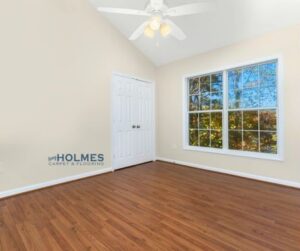
Cherry wood is prized for its rich, warm reddish-brown color and smooth, satiny texture. It brings a sense of sophistication and elegance to any room. Unlike oak or maple, cherry is a softer hardwood, so it’s better suited for areas with less foot traffic, like bedrooms or formal dining rooms. A unique characteristic of cherry is that its color deepens and darkens over time when exposed to sunlight, adding to its character.
Pros:
- Beautiful, rich color that deepens with age.
- Smooth, uniform grain adds a touch of luxury.
- Works well in traditional and formal settings.
Cons:
- Softer than oak and maple, making it more prone to scratches and dents.
- More expensive than many other hardwood options.
- Color changes with light exposure, which can lead to uneven tones under rugs or furniture.
Hardwood Comparison Table
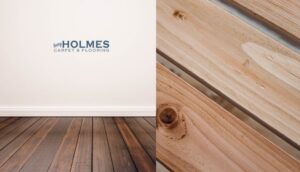
To make the decision easier, here is a side-by-side comparison of these three popular hardwood types.
| Feature | Oak | Maple | Cherry |
| Durability (Hardness) | High | Very High | Medium |
| Cost | $$ | $$$ | $$$$ |
| Aesthetic Appeal | Classic, prominent grain | Modern, subtle grain | Luxurious, rich color |
| Best for High Traffic? | Yes | Yes | No |
| Maintenance | Moderate | Moderate | Higher (prone to scratches) |
| Color Change Over Time | Minimal | Minimal Yellowing | Significant darkening |
How to Choose the Best Hardwood for Your Home
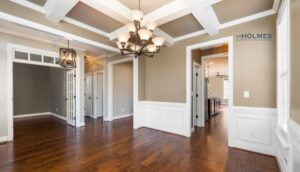 Now that you know the basics, how do you decide which floor is right for you? It comes down to balancing your personal needs, budget, and style preferences.
Consider Your Lifestyle
Your daily life plays a huge role in determining the best flooring.
- Busy Households with Kids and Pets: Durability is key. A hard wood like maple or white oak will stand up better to the daily wear and tear of toys, claws, and heavy foot traffic.
- Quiet, Low-Traffic Homes: If your home is less chaotic, you can consider softer woods like cherry for formal living rooms or master bedrooms where its beauty can be appreciated without the risk of heavy damage.
Factor in Your Climate
Wood is a natural material that reacts to its environment. In areas with high humidity, like central Alabama, wood can expand. In dry conditions, it can contract.
- Engineered hardwood is often a better choice for humid climates or for installation over concrete slabs, as its layered construction provides greater stability.
- Solid hardwood floors are a classic choice, but proper installation and acclimation to your home’s environment are crucial to prevent gapping or buckling. Consulting with a professional installer is always recommended.
Match Your Interior Design
 Your floor is the foundation of your room’s design.
- Traditional or Farmhouse: The prominent grain of oak flooring is a perfect fit for these styles.
- Modern or Scandinavian: The clean, bright look of maple complements minimalist and contemporary aesthetics.
- Elegant or Formal: The rich, dark tones of cherry create a sophisticated backdrop for luxurious interiors.
Let’s Help You Decide
Choosing the perfect hardwood floor is about finding the right balance of beauty, durability, and cost. While oak offers timeless versatility and maple provides modern strength, cherry delivers unmatched elegance. By considering your lifestyle and design goals, you can select a floor that you will love for years to come.
As a local flooring company with over 25 years of experience, we are committed to helping you find the best solution for your home. We treat every client like we want to be treated, ensuring you get a high-quality installation and a floor that exceeds your expectations.
Frequently Asked Questions (FAQs)
What is the difference between solid and engineered hardwood?
Solid hardwood is made from a single, solid piece of wood. Engineered hardwood consists of a thin top layer of real hardwood bonded to multiple layers of plywood or high-density fiberboard. Engineered wood is more stable in humid conditions and can be installed in more places, like basements.
How long does hardwood flooring last?
With proper care, solid hardwood floors can last for 100 years or more. They can be sanded and refinished multiple times to look brand new. Engineered hardwood can also last for decades (typically 20-40 years), and most can be refinished at least once.
Is hardwood flooring a good choice for kitchens?
Yes, but with caution. Harder woods like white oak or maple are excellent choices due to their resistance to water and wear. It’s important to clean up spills quickly to prevent moisture damage.
How do I maintain my hardwood floors?
Regularly sweep or vacuum to remove dirt and grit that can scratch the surface. Clean up spills immediately with a dry or slightly damp cloth. Avoid using steam mops or harsh chemical cleaners, as they can damage the finish.
Can I install hardwood flooring myself?
While some experienced DIYers can tackle the job, professional installation is highly recommended. An expert installer ensures the subfloor is properly prepared, the wood is acclimated correctly, and the installation is done right the first time, preventing costly issues down the road.