
Hardwood floors are a timeless addition to any home, exuding warmth and elegance. But keeping them clean and pristine can be a challenge, especially if you’re unsure where to start. Proper cleaning not only enhances their beauty but also extends their lifespan, ensuring you get the most from your investment. Learn everything you need to know about cleaning and maintaining hardwood floors, from understanding their unique needs to handling stubborn stains.
Understanding Hardwood Floors
Before jumping into the cleaning process, it’s important to first understand the nature of hardwood floors. Not all floors are created equal, and the type of finish they have will determine how you clean them.
Types of Hardwood Finishes
- Surface-Sealed Floors: Finished with polyurethane or acrylic, these are the easiest to clean and resist stains and moisture.
- Penetrating-Seal Floors: Often have a natural look but require more maintenance as they can absorb stains.
- Untreated or Bare Hardwood: A raw look, but very prone to water damage if not handled with care.
What is a Surface Finish?
A surface finish is a popular choice for those looking to protect their hardwood floors with a protective layer that guards against daily wear and tear. This finish sits atop the hardwood floor, creating a barrier that prevents liquids and dust from penetrating the wood itself. Often made from polyurethane, surface finishes provide a glossy sheen that enhances the natural beauty of the floor.
One of the biggest advantages of a surface finish is its durability; it can withstand heavy foot traffic and frequent cleaning without losing its luster. Cleaning a surface-finished floor is simpler as the barrier makes the wood less susceptible to stains and damage. Regular sweeping and vacuuming can easily maintain hardwood floor cleanliness without the need for extensive cleaning products.
Surface finishes dry faster than their penetrating counterparts, reducing wait time between application and use. Overall, if you’re looking for ease of maintenance and resilience, a surface finish might be the optimal choice for your home’s flooring needs.
The Benefits of a Penetrating Finish
Penetrating finishes offer a different approach to protecting your hardwood floor, particularly appealing to those who favor a natural look. This type of finish soaks into the wood, enhancing its texture and providing a rich, matte finish rather than a glossy surface. An oil-based penetrating finish, for example, seeps into the pores, allowing the wood to breathe while offering protection from within. It’s particularly beneficial for those who want their floors to maintain an authentic appearance, as it accentuates the wood’s natural grain. One of the key benefits is the ease of repair; scratches and scuffs can often be buffed out, and additional oil can be applied to revive its appearance.
Maintaining hardwood with a penetrating finish involves periodic reapplication, but once established, this finish requires less intensive cleaning than other types. This finish is ideal for those who appreciate a more subdued elegance and are willing to invest time in regular maintenance for the longevity of their floors. With careful care, a penetrating finish offers seamless protection and natural beauty for your hardwood floor.
Factors that Can Damage Hardwood Floors
Hardwood floors are durable, but they’re not invincible. Here are a few culprits to watch out for:
- Excess Water: Water can seep into the wood, causing it to swell or warp.
- Harsh Chemicals: Many generic cleaners are too abrasive for hardwood flooring.
- Scratches and Dents: High heels, pet claws, and moved furniture can create unsightly marks.
- Dirt and Debris: Left unchecked, dirt acts like sandpaper, wearing down the finish over time.
Gathering Your Cleaning Supplies
Preparation is key! To clean hardwood floors effectively, you’ll need the right tools and products. Here’s your ultimate supply list:
- Vacuum with a Soft Brush Attachment: Avoid stiff bristles or rotating brushes that can leave scratches.
- Microfiber Mop: Perfect for trapping dust and dirt without damaging the surface.
- pH-Neutral Cleaner Made for Wood: Harsh cleaners can strip the finish, so it’s essential to use a product specified for hardwood.
- Dry Cloths or Towels: To dry the floor after cleaning.
- Soft-Bristled Broom: Useful for a quick sweep when vacuuming isn’t an option.
Having the right equipment can ensure that your floors are cleaned thoroughly without risking damage.
Stain Removal Techniques
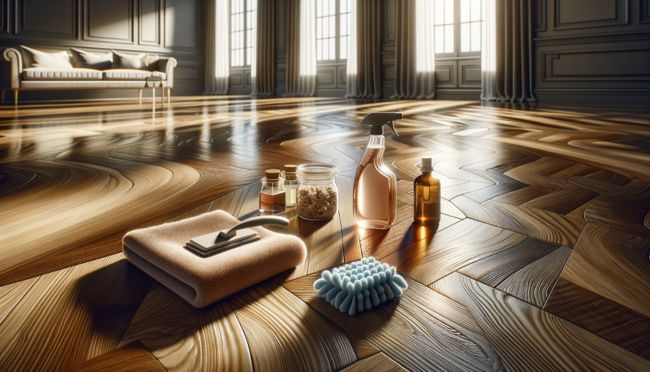
Accidents happen! Here are some expert tips to address common hardwood stains.
Spills
- What to Do: Wipe up spills immediately with a dry or slightly damp cloth.
- Pro Tip: For sticky messes, lightly dampen the cloth with a pH-neutral cleaner.
Pet Accidents
- What to Do: Neutralize odors and stains using a mixture of white vinegar and water.
- Pro Tip: Ensure the affected area is dry afterward to prevent moisture damage.
Scuffs
- What to Do: Rub scuff marks away with a clean tennis ball or a soft cloth dabbed in baking soda.
Ink or Wine Stains
- What to Do: Use a cotton ball dipped in isopropyl alcohol to gently blot the stain.
- Pro Tip: Do not rub vigorously, as this can damage the finish.
Maintenance Tips for Long-Lasting Floors
Consistent maintenance is essential for keeping hardwood floors looking their best. Take note of these recommendations:
- Use Area Rugs and Runners: Place rugs in high-traffic areas and entryways to minimize dirt and wear.
- Protect Against Scratches: Felt pads under furniture and mats at doors can work wonders.
- Avoid Excess Moisture: Use a dehumidifier in humid environments to keep wood from warping.
- Stick to Regular Cleaning: Aim to vacuum weekly and deep clean every couple of months.
Selecting the Right Hardwood Floor Cleaners
| Type of Hardwood Cleaner | Advantages | Disadvantages | Recommended For |
| Water-Based Cleaners |
|
|
|
| Oil-Based Cleaners |
|
|
|
| pH-Neutral Cleaners |
|
|
|
| Vinegar-Based Solutions |
|
|
|
| Commercial Formulas |
|
|
|
Step-by-Step Guide to Clean and Maintain
Maintaining the beauty and longevity of your hardwood floors starts with understanding the nuances of cleaning and regular upkeep. First, dust and debris are enemies of wood floors; they can cause scratches and reduce the sheen over time. Begin your cleaning routine by removing loose dirt and dust with a high-quality vacuum specifically designed for hard surfaces. When you vacuum your floors, ensure the beater bar is turned off to prevent unintended scratches, and pay close attention to the floor’s edges and corners where dust tends to accumulate. This initial step is crucial in maintaining the wood floor’s cleanliness and integrity.
Next, for deeper cleaning, choose a cleaner that’s specifically formulated for hardwood to avoid damaging the finish. It’s essential to apply the cleaner sparingly, as excessive moisture can warp or crack wood flooring. For routine maintenance, a mixture of water and a touch of vinegar can be effective, but take care not to over-saturate the mop. This method helps maintain hardwood without stripping or dulling its surface.
Lastly, adopt a long-term maintenance plan by periodically checking for signs of wear. Applying a fresh coat of finish as needed can protect against stains and heavy foot traffic. Regularly inspecting the finish and addressing minor marks promptly can prevent them from becoming more significant problems. Consistent care and by following these cleaning steps ensure your wood floor remains a stunning feature in your home, reflecting light and grace while being durable and resilient.
Keep Your Hardwood Floors Gleaming
Proper care for your hardwood floors doesn’t just keep them looking stunning—it preserves their quality for years to come. By investing a little time and using the right techniques, you can protect your floors from wear and damage, while bringing out the natural beauty of the wood.
Looking for more expert tips on maintaining your home? Stay connected with our blog for the latest advice—and if you have any favorite hardwood cleaning tips, share them in the comments below!
FAQs for Keeping Your Hardwood Floors Clean
Why is understanding different hardwood floor finishes important for maintenance?
Understanding the different types of hardwood floor finishes is vital because it dictates the appropriate cleaning and maintenance strategies to use. Surface finishes, like polyurethane, offer a durable protective layer and are easier to maintain. In contrast, penetrating finishes, which enhance the wood’s natural look, require more delicate upkeep and periodic oil reapplication to maintain their integrity and appearance. This knowledge ensures that homeowners use the correct products and techniques to preserve the beauty and longevity of their floors.
What are the benefits of using a steam mop on hardwood floors?
Steam mops provide a deep clean for hardwood floors by utilizing steam to lift dirt and grime without the need for harsh chemicals. They offer an eco-friendly and effective alternative to traditional cleaning methods. However, it is essential to ensure that the steam mop is specifically designed for hardwood floors to avoid excessive moisture, which can damage the wood. By following the natural grain of the wood, a steam mop can enhance cleaning while maintaining the floor’s aesthetic appeal.
How can one protect hardwood floors from everyday wear and tear?
Protecting hardwood floors involves several preventative strategies. Regular cleaning with a soft broom or vacuum designed for hardwood is crucial to avoid scratches and dust accumulation. Placing mats at entryways reduces dirt, while furniture pads prevent dents and scuffs. Additionally, controlling indoor humidity levels with humidifiers or dehumidifiers helps manage wood expansion and contraction. These measures collectively preserve the floors’ shine and durability.
What role does climate control play in hardwood floor maintenance?
Climate control is essential in maintaining hardwood floors because wood naturally expands and contracts with changes in humidity and temperature. Maintaining an indoor humidity level between 40-60% helps prevent warping. During dry months, a humidifier can add necessary moisture to prevent shrinkage, whereas a dehumidifier can manage excessive expansion in humid conditions. Consistent climate regulation helps maintain the structural integrity and appearance of hardwood floors.
Why is selecting the appropriate hardwood floor cleaner crucial, and what are some recommended options?
Selecting the right hardwood floor cleaner is crucial to prevent damage and enhance longevity. Cleaners containing water, surfactants, and solvents are effective in lifting dirt while maintaining surface finishes. For an eco-friendly alternative, a vinegar and water mixture can clean without leaving harmful residues; however, proportions must be carefully controlled to avoid damage. Cleaners fortified with oils are suitable for penetrating finishes, as they nourish and restore wood sheen. Regular maintenance with appropriate cleaning products ensures comprehensive cleanliness and protection.